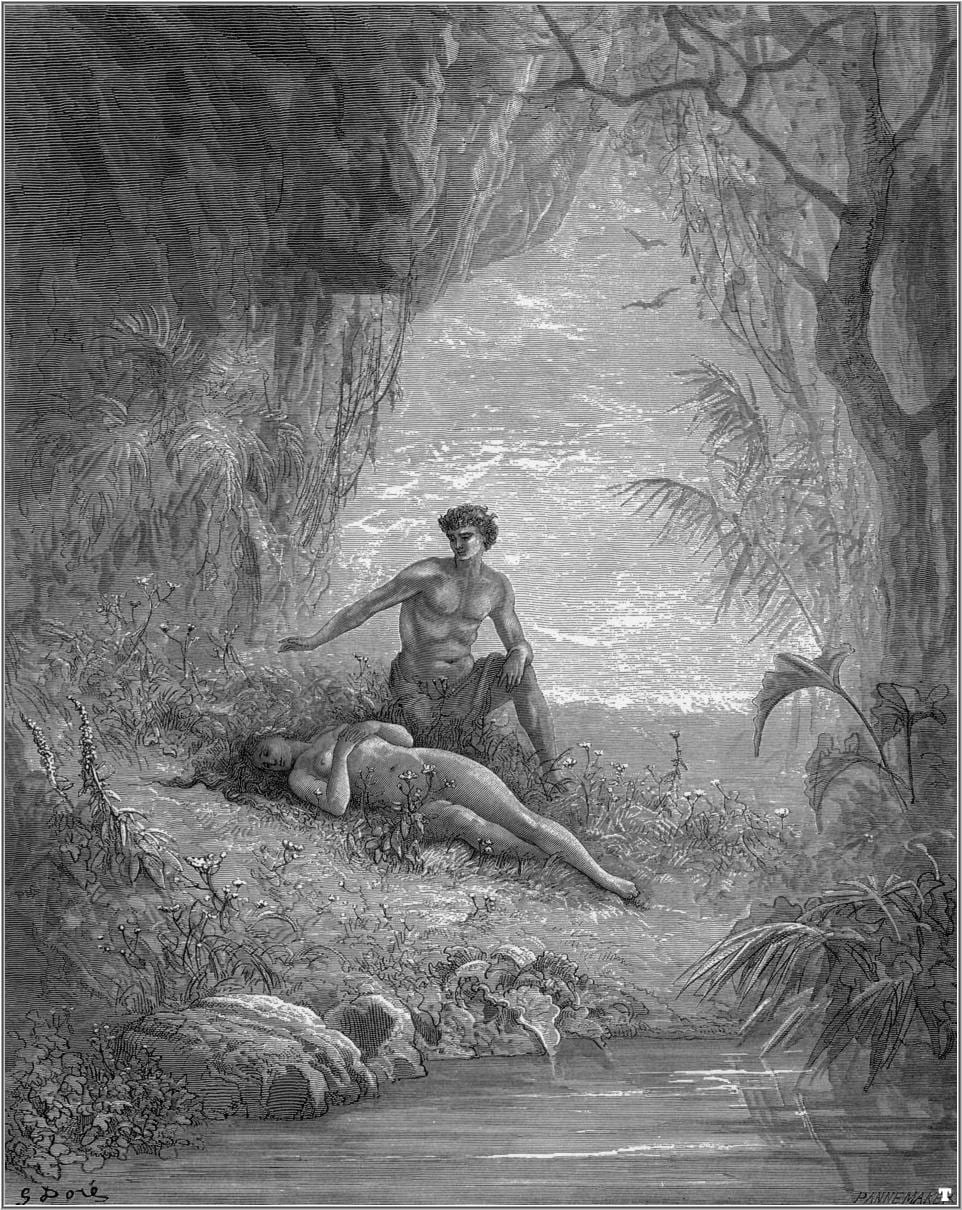
A close guide to the climax of Paradise Lost: Eve’s proposal to work apart, Satan’s serpentine rhetoric, the eating of the fruit, Adam’s choice, and the immediate aftermath of shame, lust, and blame.
18 Nov 2026·10 min read
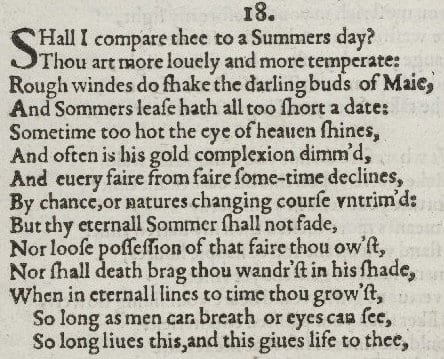
A complete sonnet-by-sonnet companion to the forty-six poems on the ENGL-200A reading list: the procreation sequence, the rival poet, the constancy poems, and the Dark Lady sonnets, each with a close reading and a route into an essay.
18 Nov 2026·26 min read
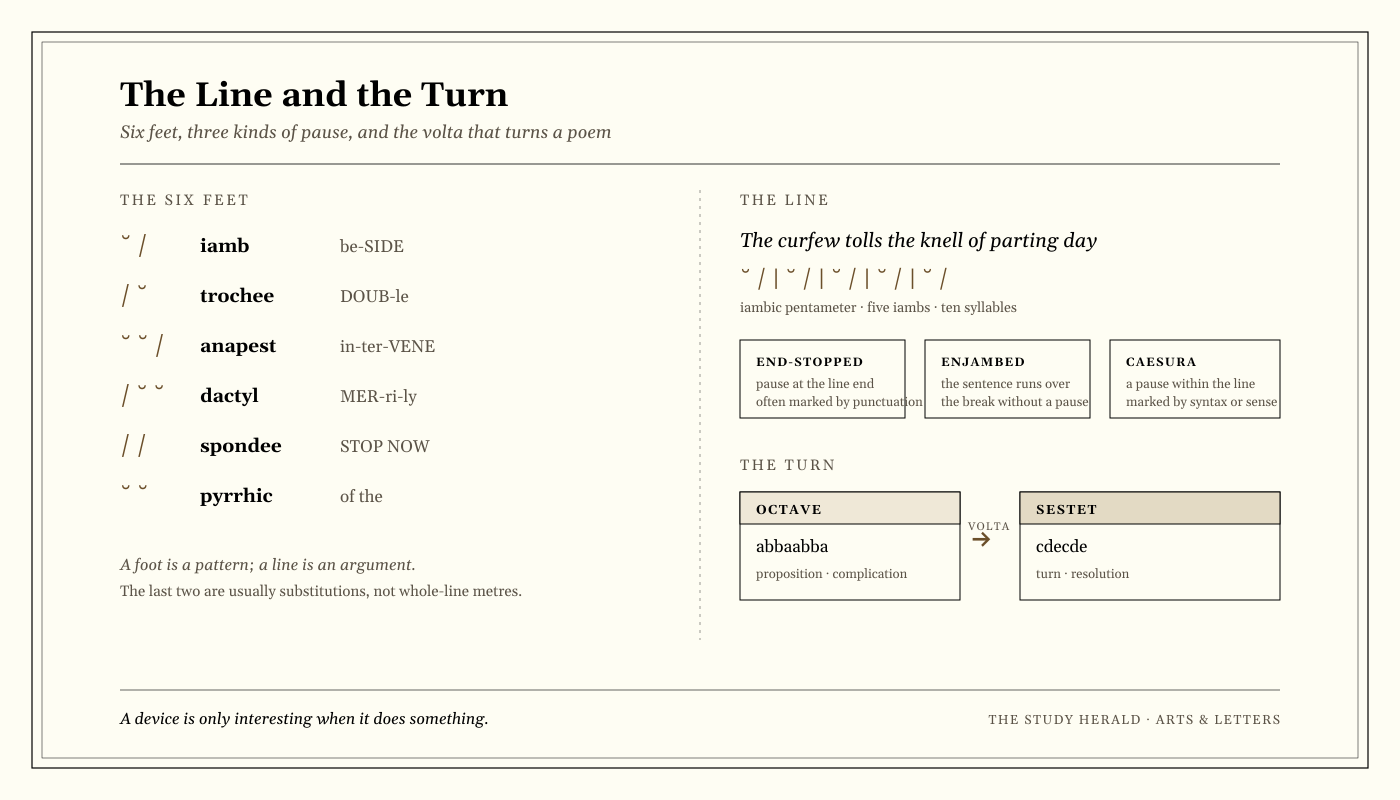
A comprehensive guide to poetry terminology for senior school and university readers: prosody and scansion, rhyme and sound, figuration and rhetoric, stanza and fixed forms, and a practical method for turning terms into analysis — with worked examples and the confusions examiners see most.
18 Nov 2026·32 min read

A guide to Book IV of Paradise Lost: Satan’s “myself am Hell” soliloquy, the description of Eden, Adam and Eve’s hierarchical marriage, the hymn to wedded love, and the first intrusion of evil into Paradise.
16 Nov 2026·9 min read

A study of Shakespeare’s Dark Lady sonnets: the anti-Petrarchan beauty of Sonnet 127, the anatomy of lust in 129, the parody of the blazon in 130, the puns on ‘Will,’ the two loves of 144, and the soul-and-body dialogue of 146.
15 Nov 2026·11 min read

A guide to Book III of Paradise Lost: Milton’s invocation to light, God’s speech on foreknowledge and free will, the Son’s offer of substitution, and Satan’s flight to the created world.
14 Nov 2026·9 min read

A study of Shakespeare’s constancy cluster: the suspicion sonnets, the poems of absence and return, the religious language of Sonnet 105, and the central definition of love in Sonnet 116.
13 Nov 2026·10 min read

A guide to the infernal council of Paradise Lost: Moloch’s war, Belial’s quietism, Mammon’s empire, Beelzebub’s strategy of guile, Satan’s solo mission, and the allegory of Sin and Death at the gates of Hell.
12 Nov 2026·11 min read

A study of Shakespeare’s middle sonnet cluster: the ‘disgrace’ sonnets, the Rival Poet, the great time-and-monument poems, the deathbed sonnets, and the farewell of Sonnet 87.
11 Nov 2026·10 min read

A close guide to the opening book of Milton’s epic: the invocation and its theodicy, Satan’s rhetoric of the unconquerable will, the catalogue of fallen angels, and the building of Pandemonium as a parody of divine creation.
10 Nov 2026·11 min read
A study of Shakespeare’s first sonnet cluster: the procreation sonnets, the assault of time, the rival claims of children and verse, the gender trouble of Sonnet 20, and the consolations of love and memory in Sonnets 23, 29, and 30.
9 Nov 2026·11 min read
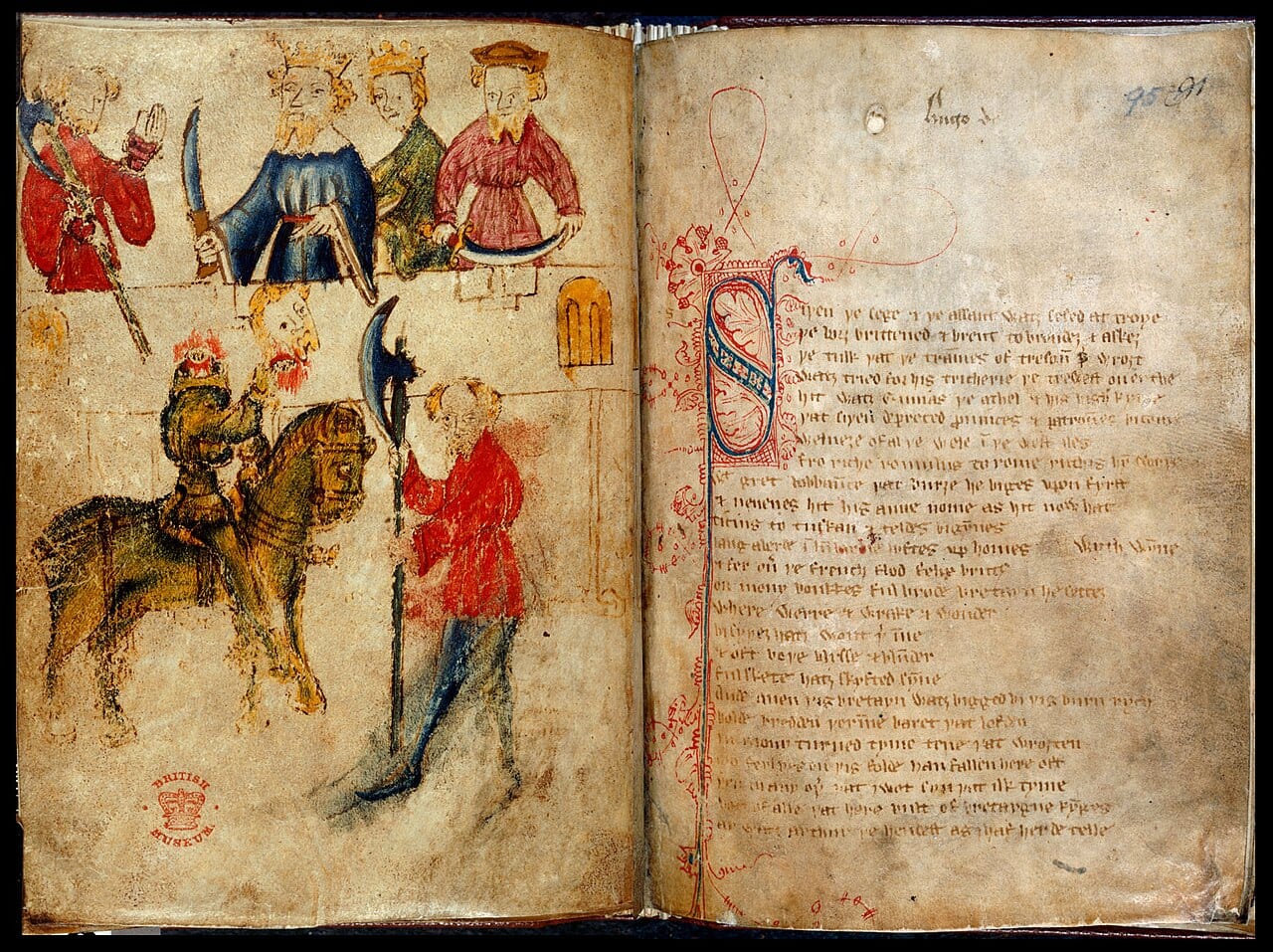
A full close-reading guide to the Pearl Poet’s Arthurian romance: the beheading contract, the pentangle, the three hunts and temptations, and the green girdle that turns a chivalric test into a meditation on fear, faith, and truth.
8 Nov 2026·15 min read

A close study of the Old English Judith: its manuscript context beside Beowulf, its heroic recasting of a biblical heroine, the two-stroke beheading, and the poem’s uneasy alliance of chastity, violence, and national deliverance.
6 Nov 2026·12 min read

A study guide to the Wife of Bath’s Prologue and Tale: the battle between experience and clerical authority, the five husbands, the rape that opens the Tale, and the meaning of female sovereignty in Chaucer’s most performed voice.
4 Nov 2026·13 min read

A canto-by-canto study of Book I of The Faerie Queene: Redcrosse’s wandering, Una’s constancy, Duessa’s falsehood, the House of Pride, the House of Holiness, and the dragon that turns a failed knight into Saint George.
1 Nov 2026·16 min read